




Two World-Class Wine Regions Within an Hour
Melbourne is uniquely positioned between two of Australia’s finest cool-climate wine regions — the Yarra Valley to the east and the Mornington Peninsula to the south — both within an hour’s drive of the CBD. This proximity means a Melbourne wine tour doesn’t require a dawn departure or an overnight stay. You leave after a proper breakfast, spend the day tasting at cellar doors surrounded by vines and rolling hills, and you’re back in the city for a late dinner.
The two regions produce genuinely excellent wine. The Yarra Valley’s Pinot Noir and Chardonnay have established an international reputation, and its sparkling wines — led by Domaine Chandon but produced across dozens of estates — rival anything in Australia. The Mornington Peninsula’s cooler maritime climate produces Pinot Noir of a distinctly different character, alongside refined Chardonnay and aromatic whites. A wine tour takes you to the producers worth visiting and handles the one logistical problem that makes self-guided cellar door visits complicated: someone needs to not drink.
Yarra Valley vs Mornington Peninsula
Both regions reward a visit, and understanding the differences helps you choose the right one for your day.
The Yarra Valley is the larger region with more cellar doors, a wider range of winery styles (from grand estates to tiny garage operations), and a broader food and produce culture around the wine. Domaine Chandon, De Bortoli, Yering Station, and Oakridge are among the well-known names, but the valley also harbours small producers making exceptional wine in quantities you’ll never find outside the cellar door. The landscape is inland — green hills, mountain ash forests on the eastern ridges, and morning mist in the valley. It’s the more established wine tourism destination and the one with the deepest cellar door infrastructure.
The Mornington Peninsula adds coastal scenery to the wine experience. The cellar doors are smaller and more intimate on average, the region’s agricultural identity extends to olive groves, berry farms, and artisan cheese makers, and you’re never far from the ocean. The Peninsula’s wine style is cooler-climate and more restrained than the Yarra’s — elegant Pinot Noir, crisp Chardonnay, and increasingly impressive Pinot Grigio. For visitors who want wine combined with coastal atmosphere and a more relaxed, less commercialised feel, the Peninsula is the stronger choice.
If you can only do one: the Yarra Valley offers more variety and a deeper wine range. If you have two days for wine, do both — the contrast between the inland valley and the coastal peninsula is itself an education in how geography shapes wine.
What to Expect on a Wine Tour
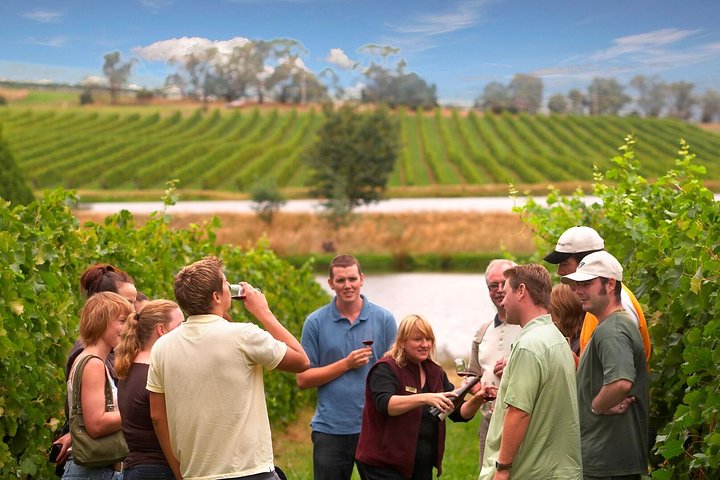
A standard wine tour visits 3–5 cellar doors over 7–9 hours, with tastings at each and lunch at a winery restaurant or regional produce venue. The guide provides transport, manages the tasting schedule, and adds context about the wines, the region, and the winemaking — turning a series of tastings into a connected experience rather than a drinking marathon.
Tastings at Victorian cellar doors are typically complimentary or included in the tour price — you’ll taste 4–6 wines at each stop, usually progressing from sparkling through whites to reds. The best tours mix large and small producers, giving you both the polished cellar door experience of a major estate and the personal, behind-the-scenes feel of a boutique winery where the person pouring is the person who made the wine.
Lunch is a highlight. Both regions have developed strong food cultures alongside their wine — the Yarra Valley’s produce-driven restaurants and the Peninsula’s vineyard dining rooms serve food designed to match the local wines. A tour that includes a wine-matched lunch at a quality venue elevates the day significantly.
Practical Tips
Use the spit bucket. Professional wine tasters spit routinely, and there’s no shame in it. At 4–6 wines per cellar door across 4 stops, you’re looking at potentially 20+ wines in a day. Swallowing everything leads to palate fatigue by mid-afternoon and a wasted final tasting.
Eat well before and during. Wine on an empty stomach is never a good strategy, and the effect is compounded across a full day. A proper breakfast, adequate water between tastings, and a substantial lunch maintain both your palate and your enjoyment.
Ask the guide for buying advice. A good wine tour guide knows which wines represent the best value, which are only available at the cellar door, and which producers are making wine that will age well versus drink-now styles. This knowledge is one of the most practical benefits of a guided tour.
Autumn is harvest season. If you’re visiting between February and April, the wineries are in the middle of vintage — crush pads are active, the smell of fermenting grapes fills the air, and the vines are turning gold and red. It’s the most atmospheric time to visit both regions.
Frequently Asked Questions
Do I need to know about wine to enjoy a wine tour?
Not at all. The best guides calibrate their commentary to the group’s knowledge level. Complete beginners learn what they like and why; experienced tasters get the technical detail and winemaker insights they’re after. The point is enjoyment and discovery, not expertise.
Can I buy wine and bring it back to my hotel?
Yes. Most tours provide space for purchases, and some offer chilled storage for the return trip. If you’re buying wine to take home internationally, check your airline’s baggage allowance and your country’s customs limits before purchasing in quantity.
Are wine tours suitable for non-drinkers or light drinkers?
Both regions have enough non-wine attractions (produce farms, chocolateries, wildlife, coastal scenery) to make a day trip worthwhile for non-drinkers, particularly on tours that combine wine with food and landscape elements. Light drinkers can taste and spit, or simply enjoy smaller amounts at each stop.