


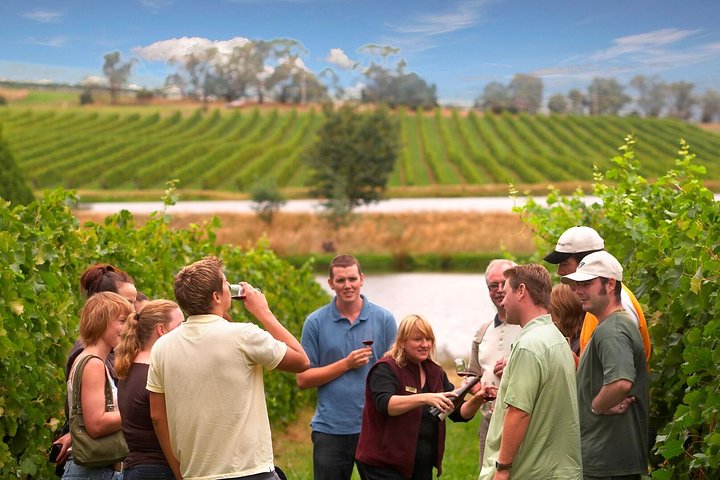


Melbourne’s Wine Region on the Doorstep
The Yarra Valley sits roughly an hour east of Melbourne’s CBD, and that proximity is both its convenience and its risk — it’s easy enough to visit that many tourists underestimate how much it has to offer. This isn’t a token wine region trading on its nearness to a major city. The Yarra Valley produces some of Australia’s finest cool-climate wines — Pinot Noir and Chardonnay that compete with the best in the country, sparkling wines that rival anything outside Champagne, and a cellar door culture that ranges from boutique family operations to grand estates with sweeping valley views.
A Yarra Valley tour gives you the region with someone else handling the driving — which matters when the day involves multiple wine tastings — and a guide whose local knowledge steers you to the producers worth visiting rather than the ones with the biggest marketing budgets.
What a Yarra Valley Tour Includes
Most Yarra Valley day tours from Melbourne run 7–9 hours and visit 3–5 wineries with tastings at each, plus a lunch stop. The format varies between operators, but the core experience is consistent: a guided drive through the valley’s rolling green hills, structured tastings where the guide or winemaker explains what you’re drinking, and enough variety in winery styles to give you a genuine picture of the region.
Winery visits typically include a mix of larger, established estates (De Bortoli, Yering Station, Domaine Chandon, Oakridge) and smaller boutique producers where you might taste with the winemaker personally. The contrast between the two styles is part of the experience — the polished cellar doors of the big names versus the shed-and-barrel intimacy of a small producer who made 200 cases last vintage.
Domaine Chandon deserves specific mention as the Yarra Valley’s most visited cellar door. It’s the Australian outpost of Moët Hennessy and produces sparkling wine using the traditional method. The tasting room is elegant, the sparkling wines are excellent, and the valley views from the terrace are among the best in the region. Most tours include a stop here, and it’s worth the visit even if sparkling wine isn’t usually your preference.
Lunch is typically at a winery restaurant or a regional produce-focused venue. The Yarra Valley has developed a strong food scene alongside its wine — local cheese, charcuterie, seasonal produce, and the kind of relaxed, wine-matched dining that suits a day spent tasting. Some tours include lunch in the price; others offer it as an optional extra at the venue.
Beyond wine, some tours add visits to the Yarra Valley Chocolaterie and Ice Creamery (free tastings, valley views, popular with families), local produce farms, or the Healesville Sanctuary — a wildlife park specialising in Australian native animals that’s one of the best places in Victoria to see platypus, wombats, and raptors in naturalistic enclosures.
Choosing the Right Tour
Standard wine tours visit 3–5 cellar doors with tastings included. These suit visitors who want a solid introduction to the region’s wines without committing to a full-day wine education. The group size varies from 10 to 30 depending on the operator, and the winery selection is typically a curated mix of styles and sizes.
Small group and boutique tours cap at 8–12 people and focus on smaller, premium producers that large group tours can’t practically visit. The tastings are more personal — often with the winemaker rather than a cellar door staff member — and the guide’s wine knowledge tends to be deeper. If wine quality is your priority over the social day-out dynamic, this format delivers noticeably more.
Private tours let you specify which wineries to visit, how long to spend at each, and whether to include non-wine stops. For serious wine enthusiasts who’ve researched specific producers, or visitors combining wine with the Healesville Sanctuary or other valley attractions, the private format provides complete control.
Combined wine and food tours balance cellar door visits with produce tastings, cheese makers, and a more substantial food component. These suit visitors whose interest is in the region’s broader food culture rather than wine specifically.
Practical Tips
Pace your tasting. At 3–5 wineries with 4–6 wines at each tasting, you’re potentially sampling 20+ wines in a day. Use the spit bucket without embarrassment — it exists for exactly this purpose, and serious wine tasters use it routinely. Drinking everything offered leads to palate fatigue by the third stop and a wasted afternoon.
Eat breakfast before you go. The first tasting may be as early as 10:30 AM. Tasting wine on an empty stomach accelerates its effects and dulls your palate. A solid breakfast sets you up for the day.
Bring a cooler bag if you plan to buy. Many visitors discover wines they want to take home. The Yarra Valley’s cool-climate wines are particularly sensitive to heat — a bottle of Pinot Noir sitting in a hot car boot for the drive back to Melbourne won’t benefit from the experience. Some tour operators provide chilled storage for purchases.
The valley is beautiful beyond the cellar doors. The rolling hills, the mountain ash forests on the eastern ridges, and the mist that sits in the valley on autumn mornings all contribute to the experience. A good guide allows time to appreciate the landscape, not just the wine.
Frequently Asked Questions
What wines is the Yarra Valley known for?
Pinot Noir and Chardonnay are the region’s signature varieties — the cool climate produces elegant, restrained styles rather than big, bold wines. Sparkling wine is also a strength, with Domaine Chandon leading a strong field. You’ll also encounter excellent Shiraz (cooler and more peppery than Barossa or Hunter styles), Cabernet Sauvignon from warmer valley-floor sites, and aromatic whites like Pinot Grigio and Gewürztraminer.
Can I visit the Yarra Valley without a tour?
Yes, but you’ll need a designated driver since the cellar doors involve tasting. Self-driving gives you complete flexibility over which wineries to visit and how long to stay. The trade-off is that someone in your group misses the tasting experience. A guided tour solves this entirely — everyone tastes, nobody drives.
Is the Yarra Valley suitable for non-wine-drinkers?
Yes, particularly if the tour includes food stops, the Chocolaterie, or the Healesville Sanctuary. The valley is a beautiful landscape worth visiting for the scenery and produce culture alone. Most cellar doors also offer non-alcoholic tastings or alternative beverages.
What’s the best time of year for a Yarra Valley tour?
Autumn (March–May) is the most photogenic season — harvest activity at the wineries, golden foliage on the vines, and crisp mornings with mist in the valley. Summer is warm and lively with outdoor dining at its best. Spring brings green growth and wildflowers. Winter is quieter and cooler but the cellar doors are open year-round and the valley has a cozy, intimate character.